





THE OCEAN BEACH PIER
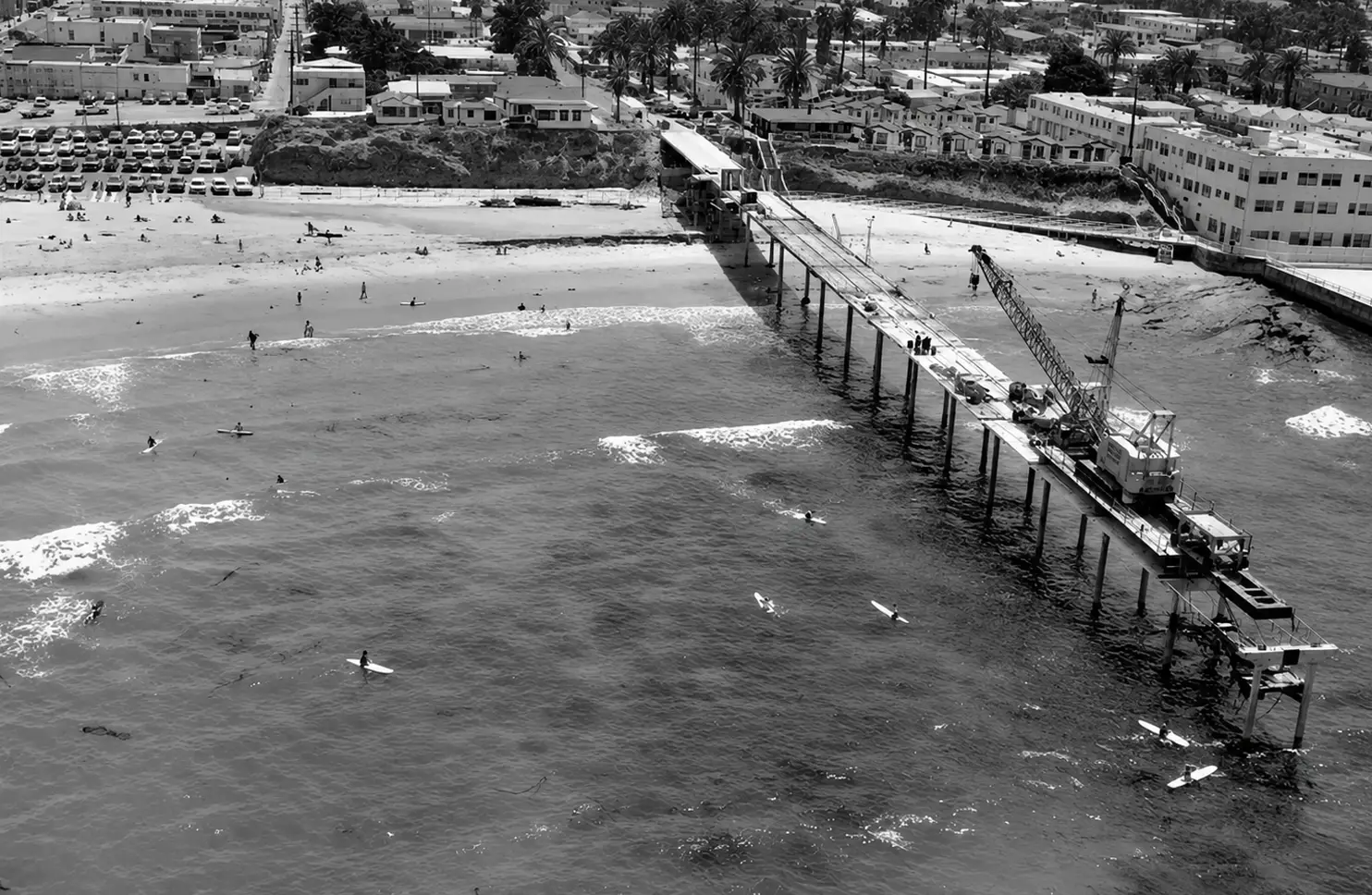
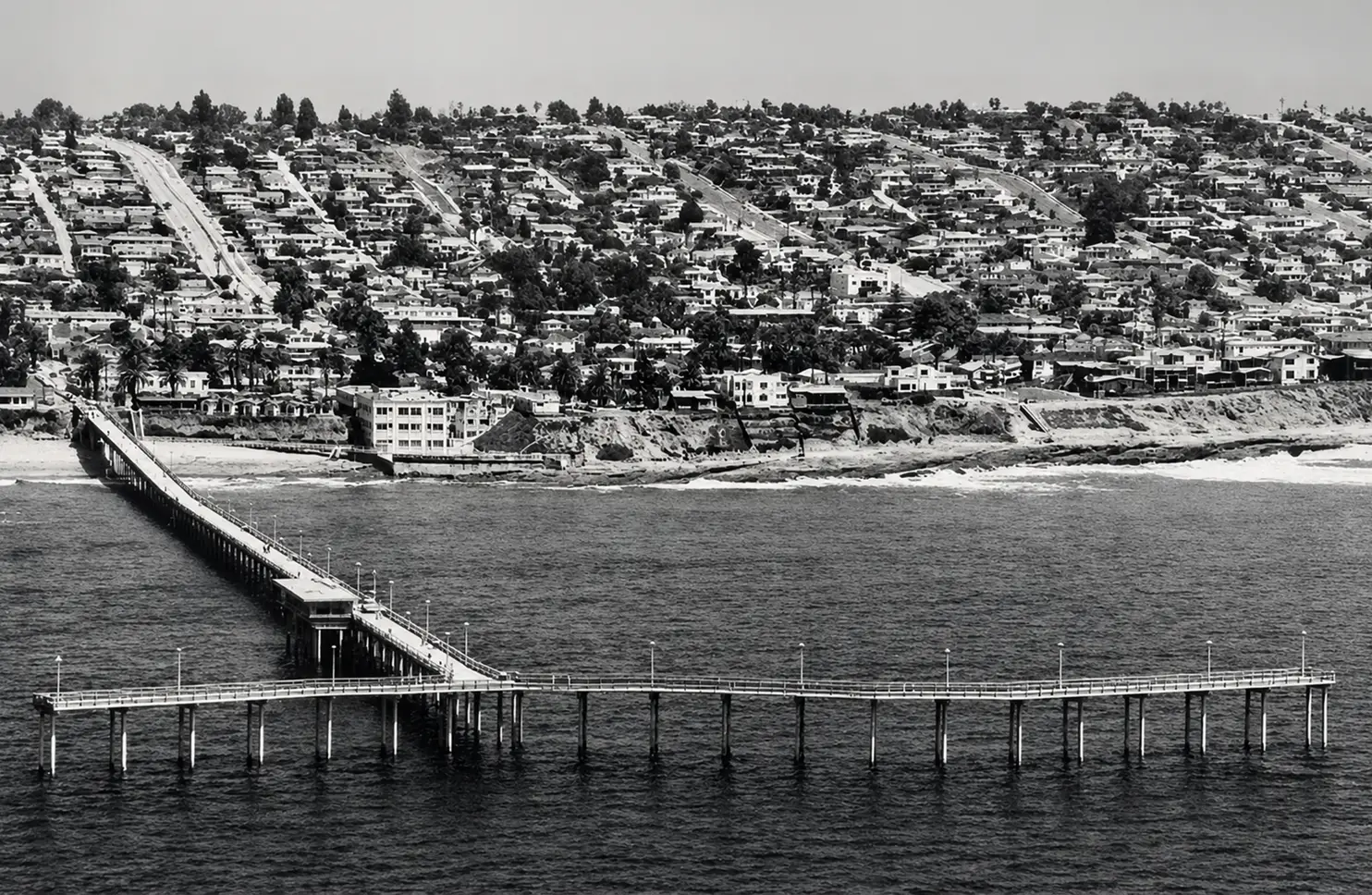
July 2, 1966 – The Ocean Beach Pier, officially known as the San Diego Fishing Pier, opened.
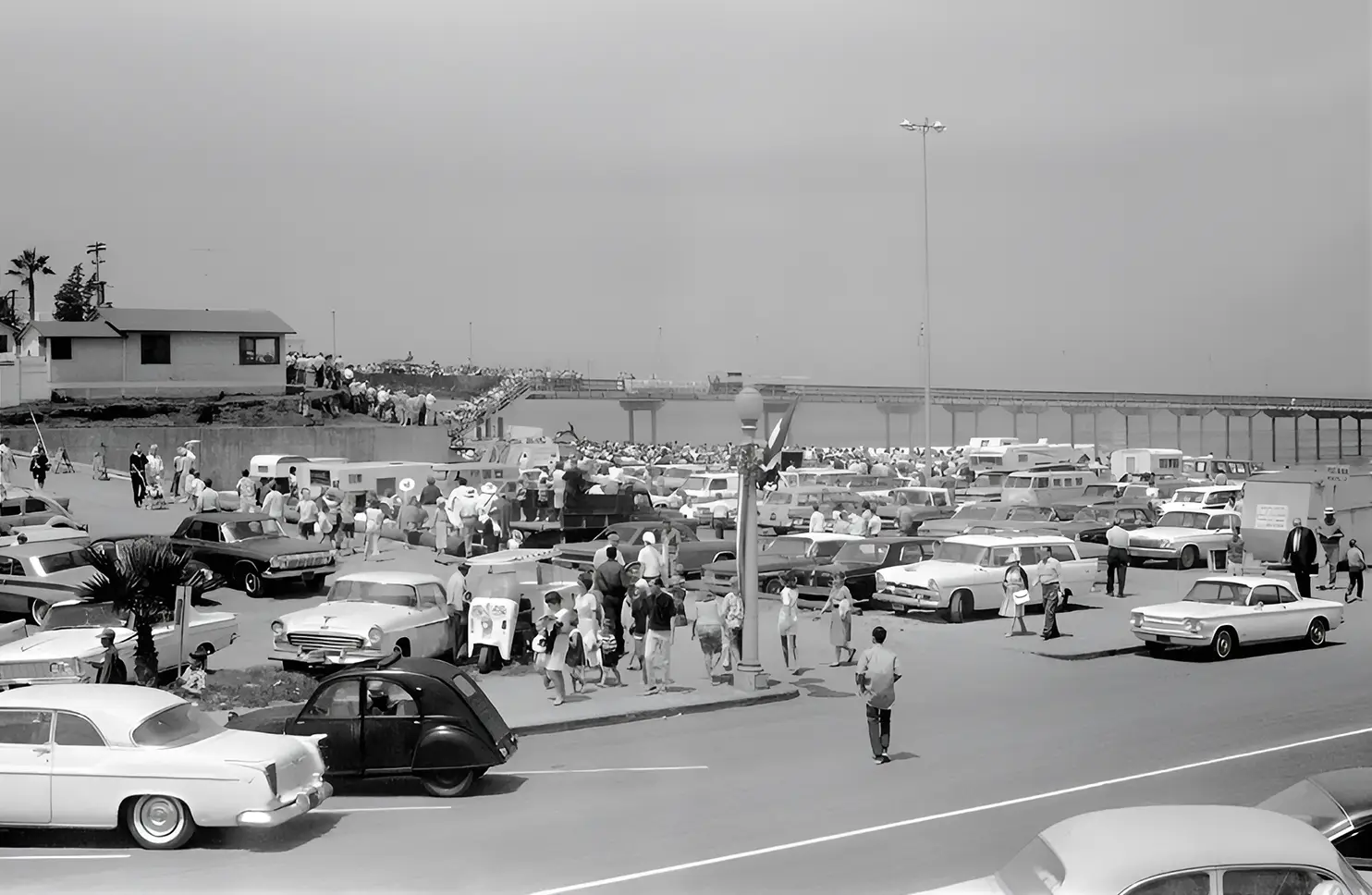
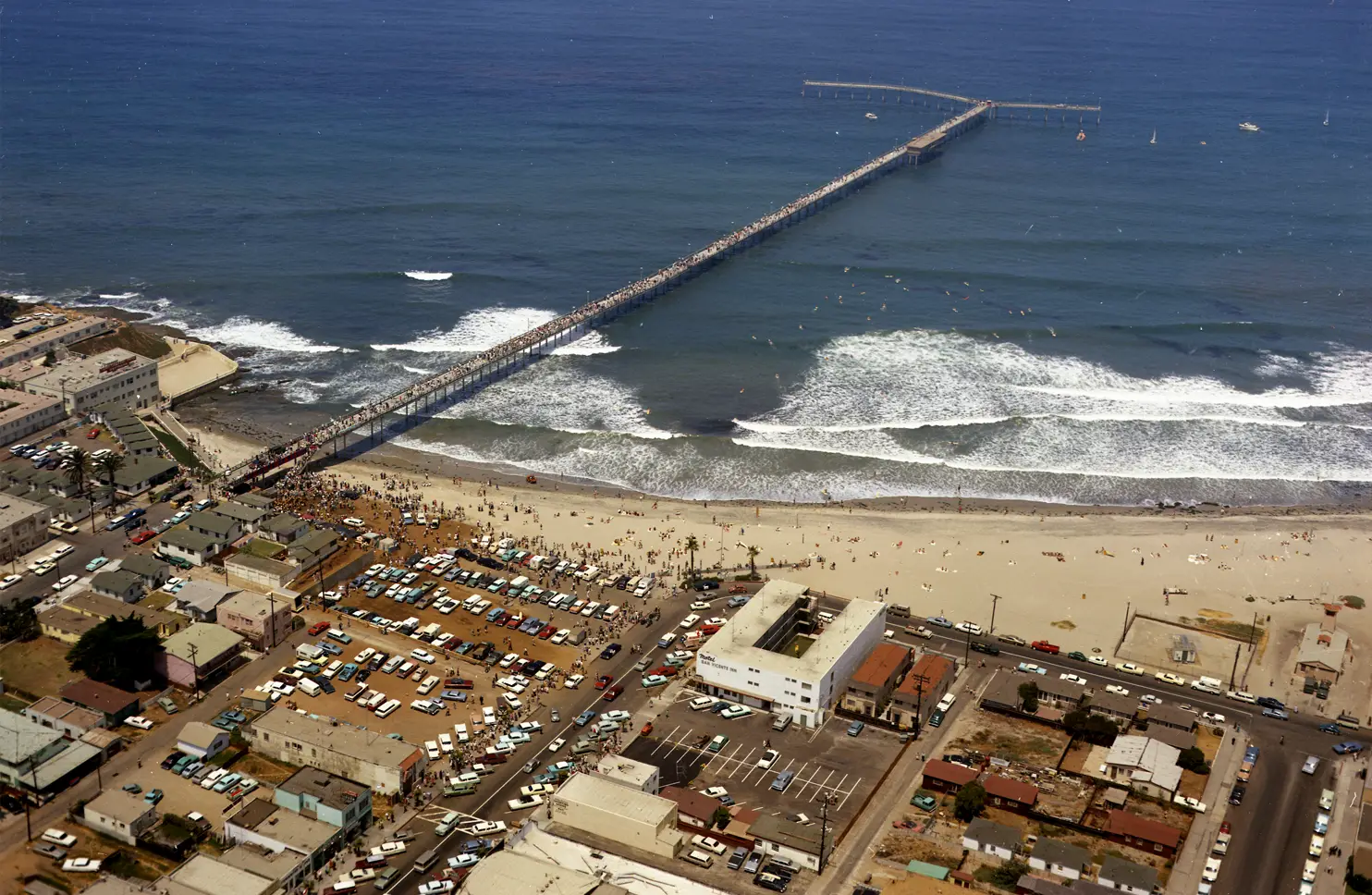
Over 7,000 residents attended the 1966 opening, where Governor Pat Brown and Mayor Frank Curran cut the ribbon. The pier enabled the public to access and interact with the ocean. There was no fee for walking out onto the pier and fishing licenses were not required.
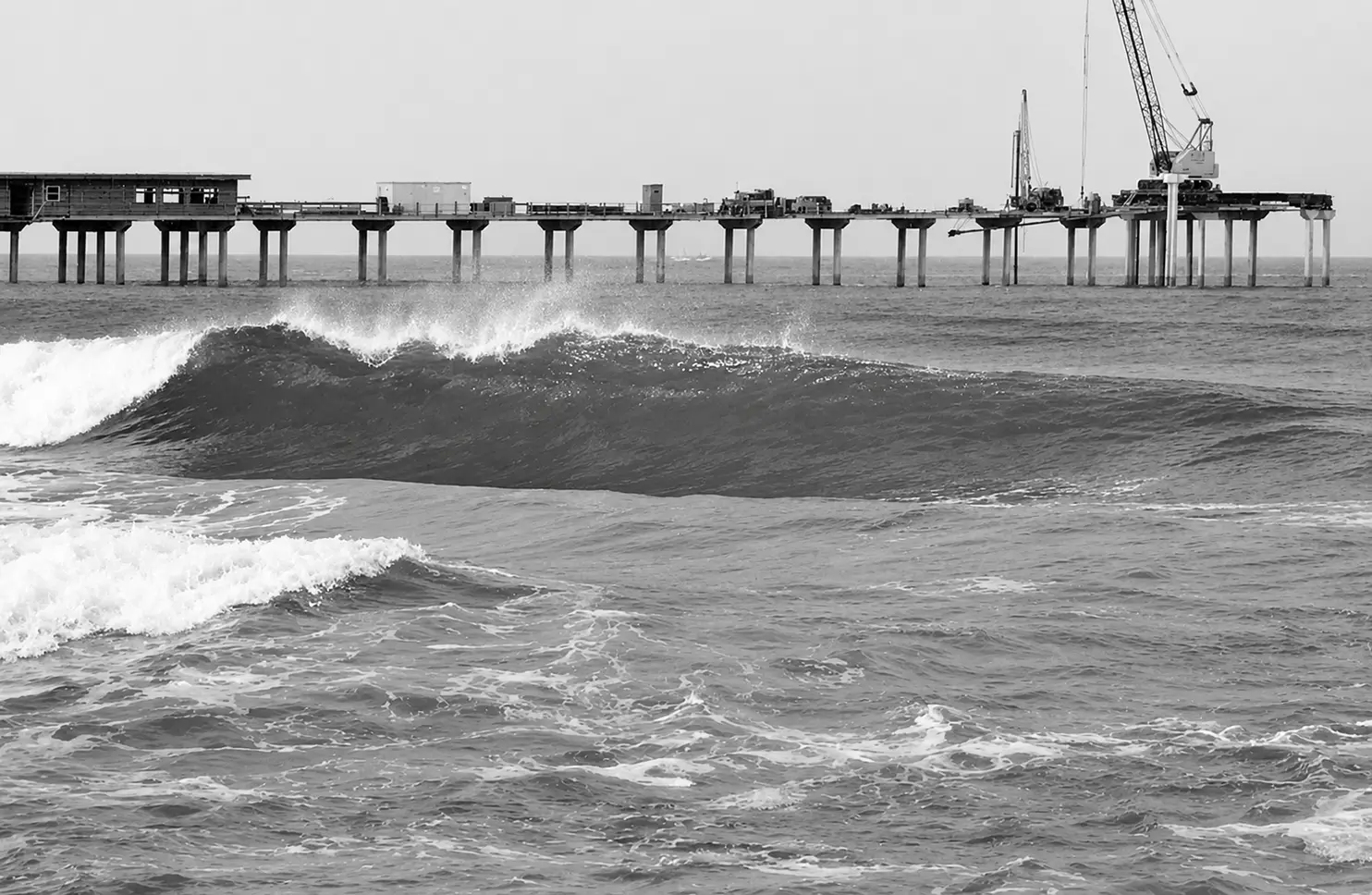
The pier has been temporarily closed several times in recent years due to damage suffered in storms and high surf. In 2023, the pier was closed from January to July, reopening just in time for its 57th anniversary. But high surf in October damaged the pier and forced it to close again.
Given the overall cost, timeline, and environmental permitting required to structurally rehabilitate the existing pier, in addition to the likelihood of additional damage occurring during future winter storms, City engineers have determined that structural rehabilitation is not feasible. After the storm damage in December 2023, the City decided to move forward with plans to replace the pier.
The OB Pier turns 60 this year on July 2nd. Sunsets are a perfect time celebrate this SoCal Icon’s final chapter.
Learn more about the Ocean Beach Pier Renewal Project.
The city of San Diego Capital Improvements Program determined that the pier reached the end of its service life. Their conclusion is based on input from OBecians, San Diegans, community impacts, environmental permitting, sustainability, operational usage, cost, historical significance and other factors
Protecting the Future of a Historic San Diego Landmark.
A multidisciplinary team is working with the City on renewal and replacement plans to ensure the pier remains a cherished destination for generations to come.
Learn more about the community involvement and see what the new OB Pier will look like.
Past, Present, and What’s Next for This Coastal Icon.
The pier attracted more than half a million visitors per year, all drawn by its quirky, unpretentious charm.
From fishing poles clinking along the rails to ice cream cones dripping in the sun, it’s a place steeped in local life and memory.
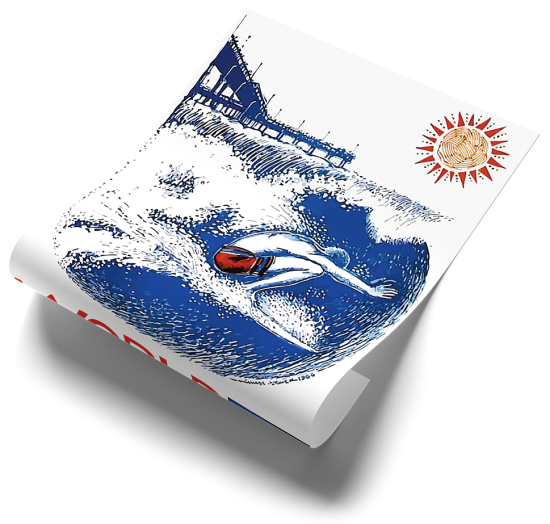
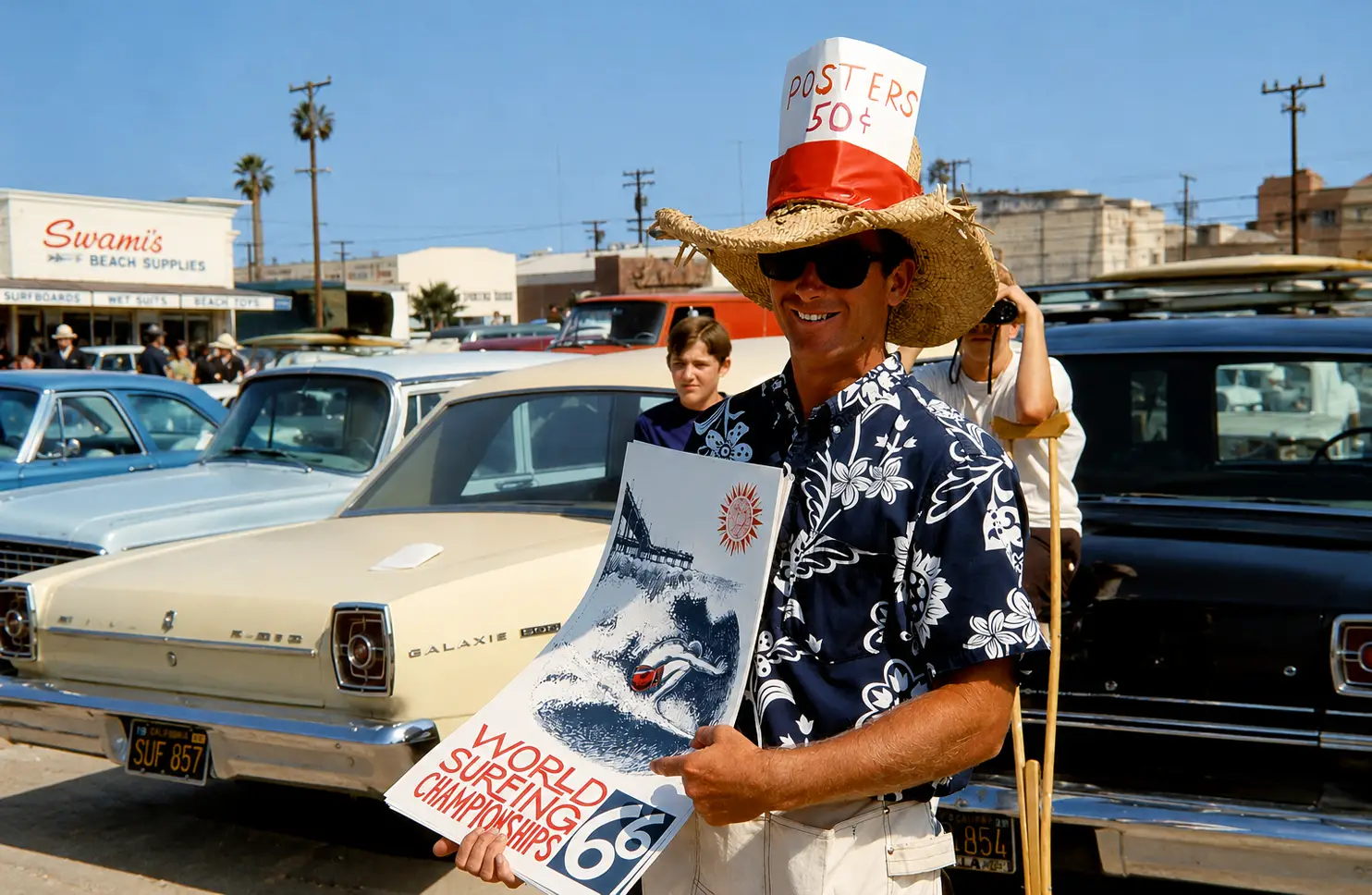
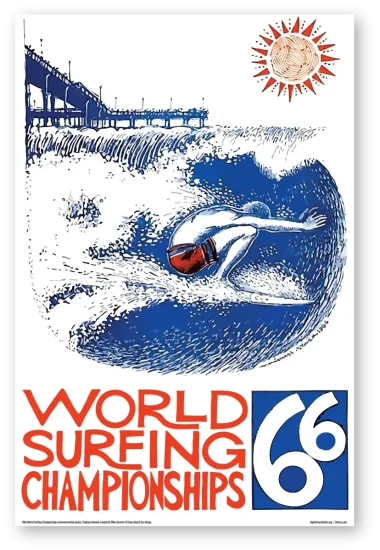
As an OB local, Mike Dormer was the natural choice to capture the spirit of the neighborhood for the first world surfing contest ever hosted in the United States.
The poster artwork for the event helped define the visual identity of what many consider a “watershed moment” in competitive surfing.
Renewal after 60 years of withstanding the elements.
You can draw a clean line through modern surfing and stop it right there. Beneath the new concrete span of the Ocean Beach Pier, in a little beach town still rough around the edges, where the old classic style of surfing met the new aggressive style in public, under television cameras, in front of a crowd big enough to suggest surfing was about to become something larger than itself.
Shortly after the pier opened, Nat Young changed the way waves are ridden.
In a little San Diego beach town, under television cameras, surfing was about to become something larger than itself. Before the World Championship of Surfing, the fringe sport still belonged to the coastal tribe. After the contest, it belonged to the world.
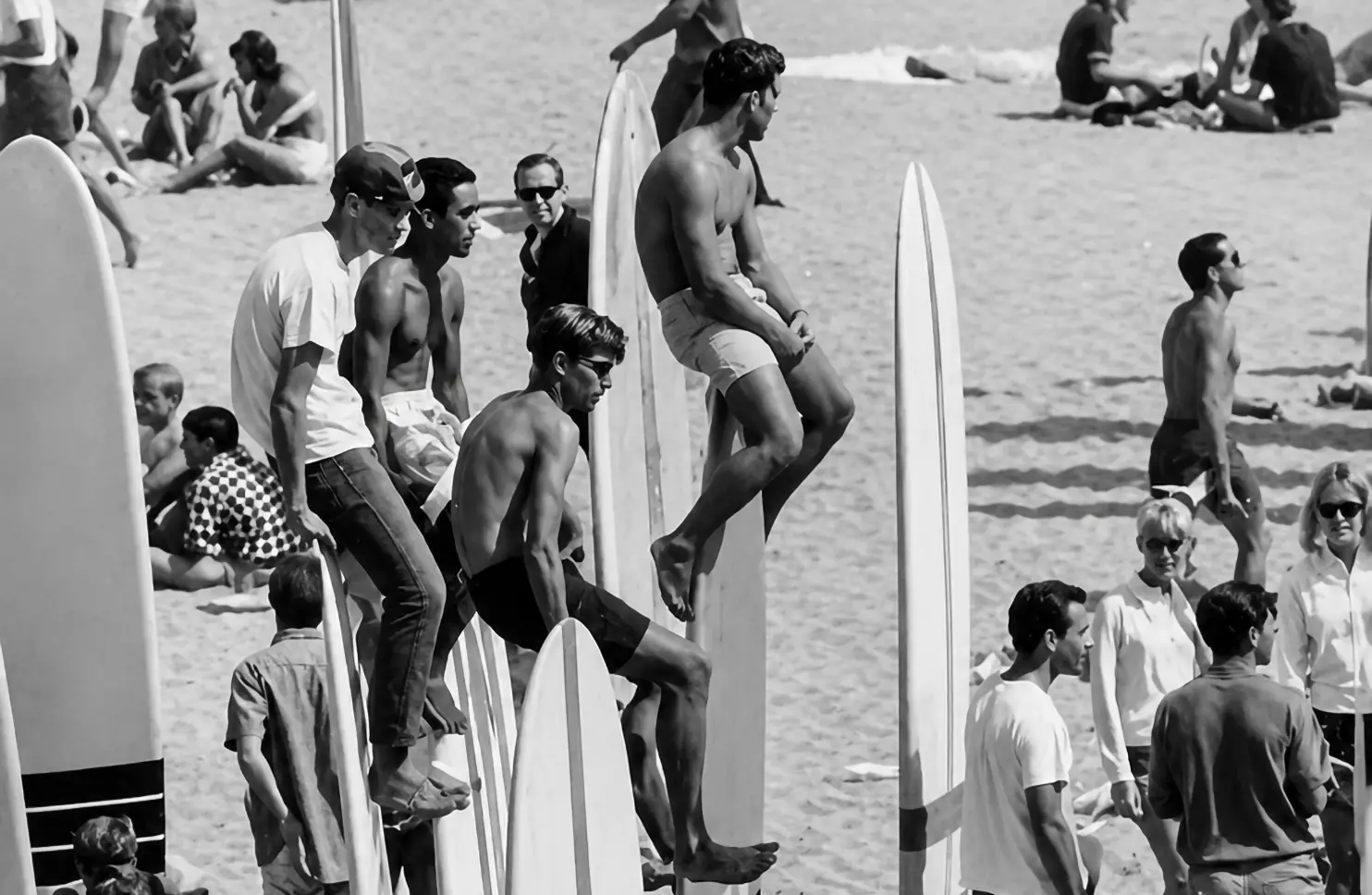
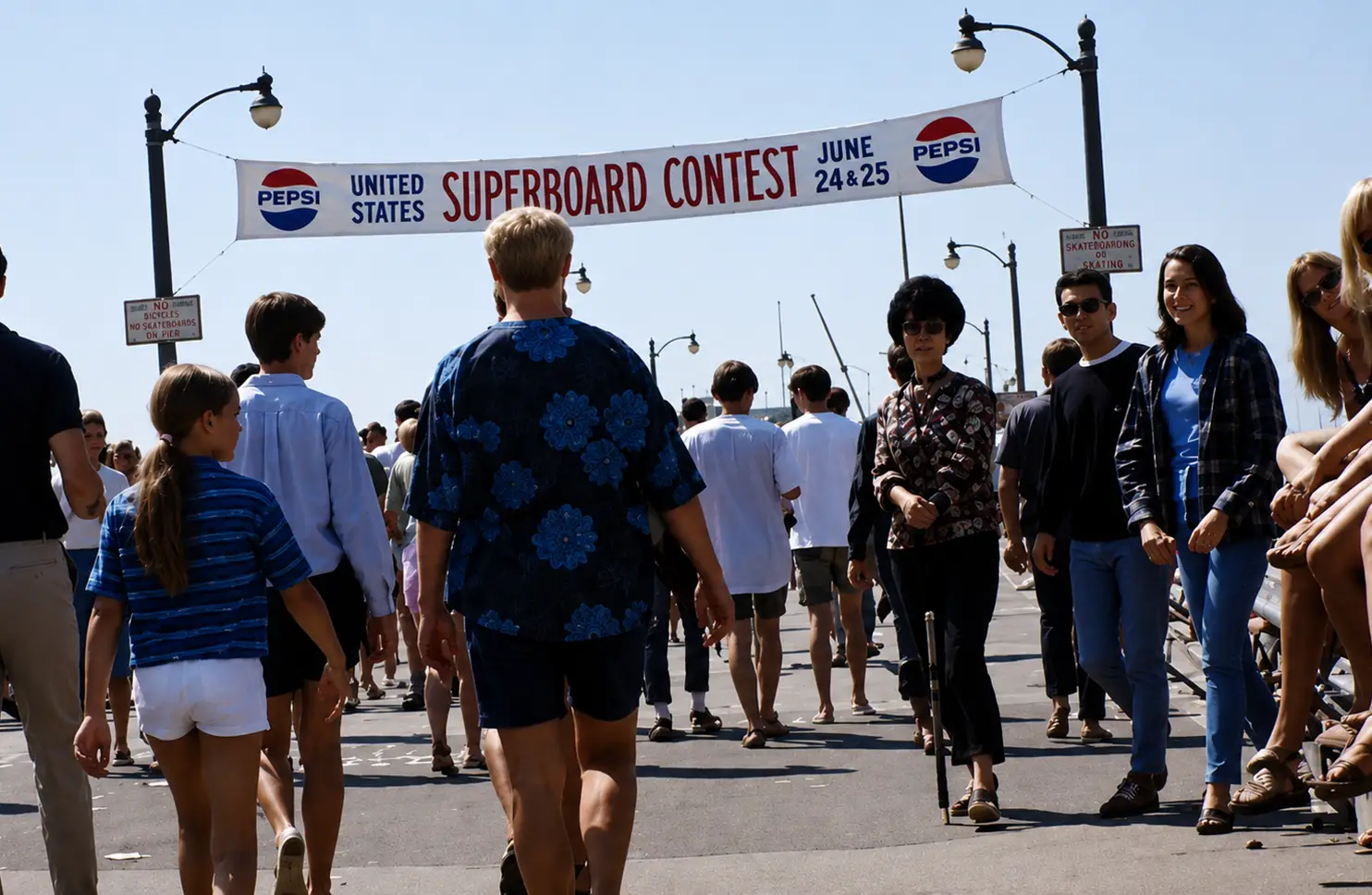
Held from late September into early October of 1966, contest brought together the best surfers on the planet and staged their talent at the pier in Ocean Beach. More than 10,000 spectators turned up, with the new Ocean Beach Pier serving as both grandstand and monument. ABC Sports cameras turned what had once been a local obsession into a broadcast-ready spectacle. It was the first World Championships held in the United States, and it delivered something no one in surfing had ever seen before. Proof that this strange, beautiful expression could support a legitimate audience, a modern mythology, and eventually, a professional future.
But like all truly great surf stories, the official version only tells part of it. The rest lives in the margins, in motel parking lots, in local club pride, in handmade boards, in improvised pageantry, and in the people who understood, before most of the world did, that surfing needed ambassadors as much as it needed athletes.
The tireless driving force behind the US’s First Global Surf Contest Was a Woman.
Six decades ago “Miss Billy” Riley brought the World Surfing Championships to San Diego and changed the sport forever.
She successfully lobbied San Diego’s City Council to host the event, arguing it would repair the city’s image after a 1961 “surf riot” in La Jolla and put San Diego on the global map.
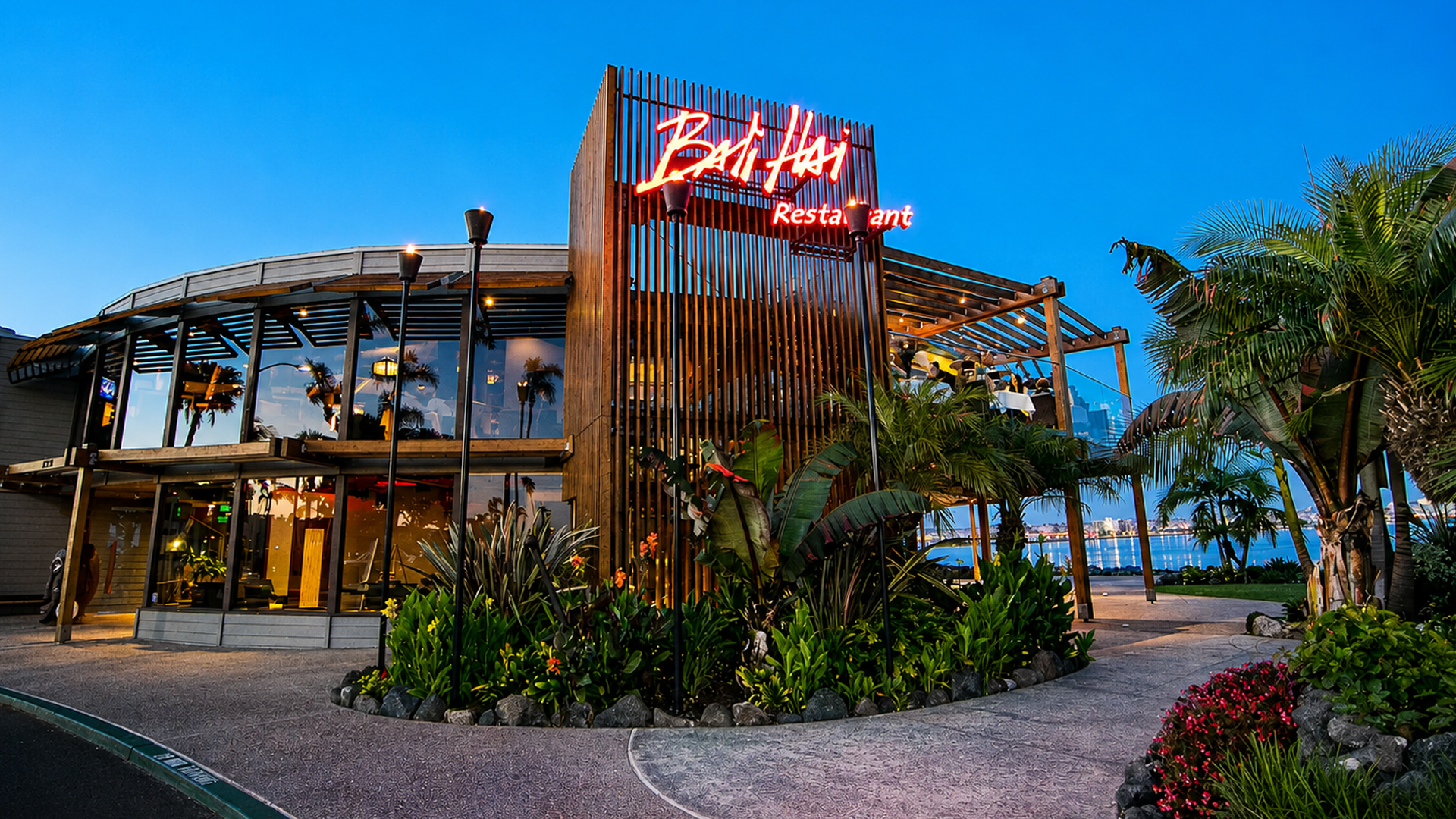
The Bali Hai Parking Lot Lecture.
Miss Billy defended the 1966 World Surfing Championships when city officials uttered distain for the whole affair. “Five years earlier, surfers had misbehaved during a similar event,” she said, “and the city was forced to consider the future of surfing in San Diego generally.”
Before the event, she gathered the surfers at the Bali Hai parking lot and firmly instructed them to act as “honorable” representatives of the sport to avoid another public disturbance. She gathered a bunch of those 200 surfers in the parking lot of the Bali Hai Restaurant and told them, “You’re going to have a rough time in our city. People think you’re a crummy bunch. We expect you to conduct yourselves honorably to represent the surfing industry.”
This stern lecture, to some of the best surfers from around the world, set the expectation of professionalism. It worked. Although … The upstanding professional conduct of the contestants might have had something to do with the room and board they were getting at Miss Billy’s hotel, The Half Moon Inn.
Miss Billy personally secured free hotel rooms and meals for 200 surfers from 11 countries. She also brokered a deal with local Chevrolet dealers to provide a brand-new 1967 Camaro as the first-place prize.
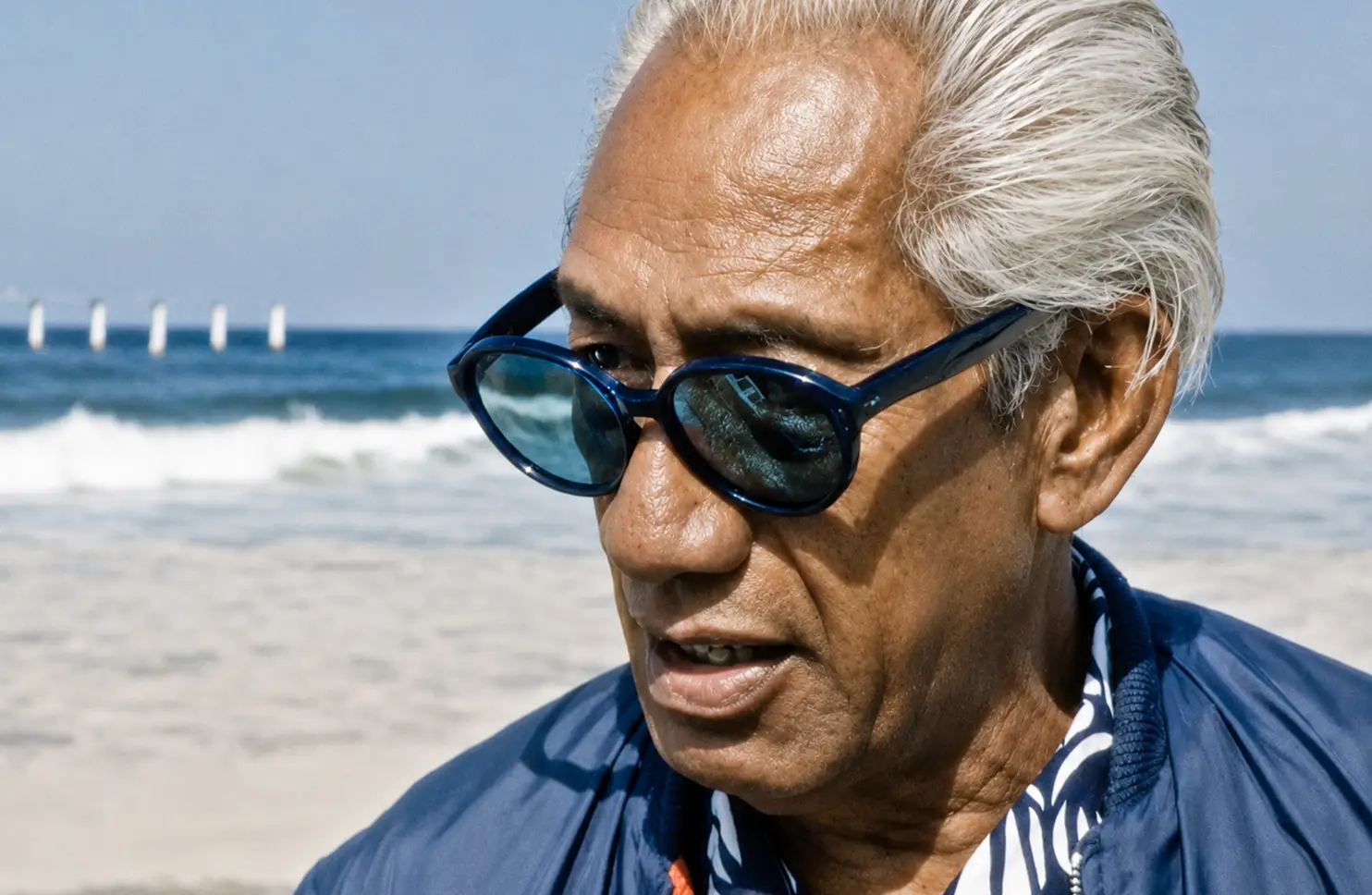
Bringing Duke Kahanamoku to the Event.
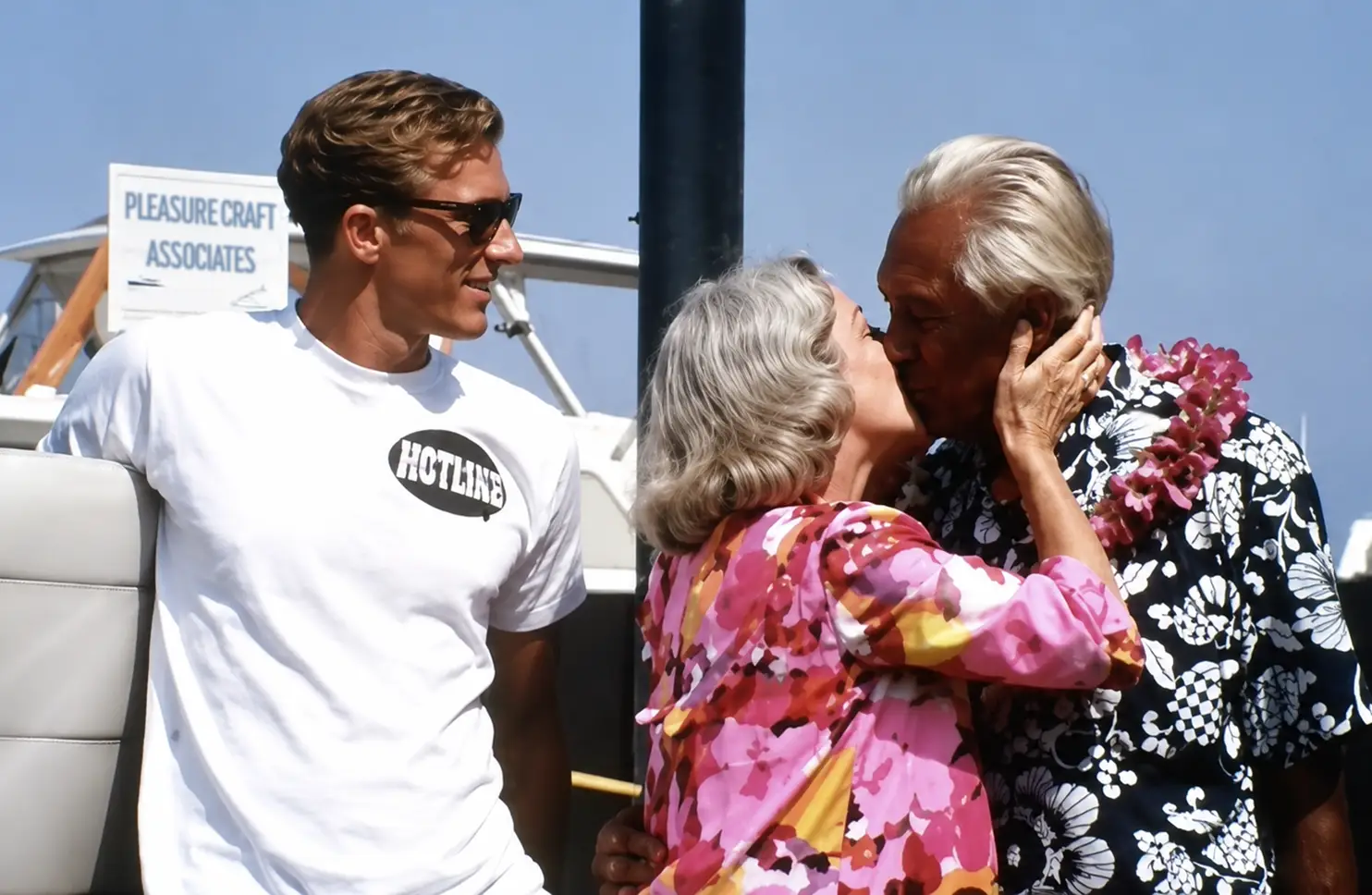
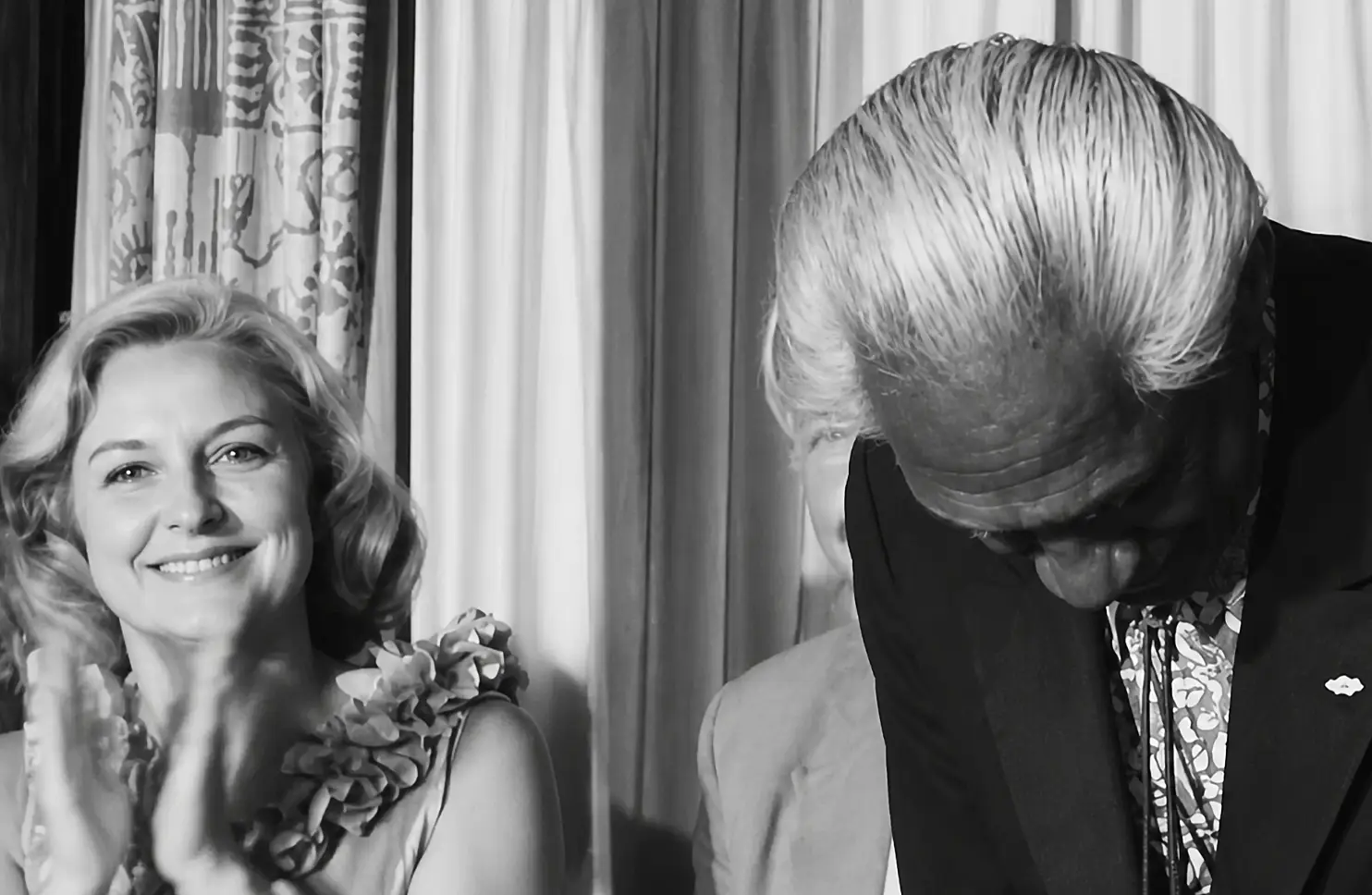
Miss Billy Riley’s masterstroke was recruiting her longtime friend, Duke Kahanamoku, to serve as the event’s honorary chairman and “unofficial big kahuna”. Miss Billy and The Duke shared a deep, years-long friendship. She leveraged this personal bond to convince the legendary “father of modern surfing” to travel from Hawaii to San Diego.
By having Duke preside over the event, Riley ensured the participants would remain on their best behavior. The surfers’ immense respect for The Duke meant they followed Riley’s rules to the letter, ensuring the contest was a model of professionalism.
The Duke’s legendary status provided the prestige necessary to convince national broadcasters that surfing was a legitimate, high-stakes sport worthy of airtime. Because ABC had already found success filming The Duke’s invitational in Hawaii, his presence as the honorary chairman in San Diego acted as a “seal of approval”. His endorsement signaled to producers that the San Diego event would be professional and globally significant.
San Diego shows up.
For all its international sheen, the event was unmistakably local in its bones. San Diego turned out for this one—not as passive hosts, but as participants and believers. The Windansea Surf Club, still carrying the aura of California surf aristocracy, was woven into the event’s fabric, as were a deep bench of San Diego surfers who understood exactly what it meant to have the world come to their shoreline.
This was not just another contest dropped into town by outside promoters. It was a regional proving ground. A chance for local surfers, clubs, and beach communities to measure themselves against the best in the world. And they did. That local support mattered because San Diego in the mid-’60s occupied a particular place in surf culture. It wasn’t just a beach town. It was a surf town with lineage—Windansea, La Jolla, Pacific Beach, Sunset Cliffs, and Ocean Beach all feeding a scene that had both style and edge. There was polish in some corners, punk in others, and enough talent in the water to make the city a credible host for the biggest event surfing had yet staged on American sand.
Ocean Beach, meanwhile, brought its own energy. Less manicured than La Jolla. Less image-conscious than Malibu. More democratic. More public. More real. Which made it perfect. Because if you were going to introduce surfing to a larger audience, you wanted a place with enough soul to represent the culture honestly—but enough access and spectacle to make the show work. OB gave you both.
Every poster purchased helps support the San Diego Ocean Beach Pier Renewal Project. This is more than a work of art, it’s a meaningful collectors item and a contribution to the community that inspired it. Get yours today and be part of renewing an icon of San Diego surf history.
This website uses cookies
We use cookies to personalise content and ads, to provide social media features and to analyse our traffic. We also share information about your use of our site with our social media, advertising and analytics partners who may combine it with other information that you’ve provided to them or that they’ve collected from your use of their services.
Cookies are small text files that can be used by websites to make a user's experience more efficient.
The law states that we can store cookies on your device if they are strictly necessary for the operation of this site. For all other types of cookies we need your permission. This means that cookies which are categorized as necessary, are processed based on GDPR Art. 6 (1) (f). All other cookies, meaning those from the categories preferences and marketing, are processed based on GDPR Art. 6 (1) (a) GDPR.
This site uses different types of cookies. Some cookies are placed by third party services that appear on our pages.
You can at any time change or withdraw your consent from the Cookie Declaration on our website.
Learn more about who we are, how you can contact us and how we process personal data in our Privacy Policy.
Please state your consent ID and date when you contact us regarding your consent.